Shopping for a lake home near Guntersville and wondering how HOAs work around the water? You are not alone. Lake communities add layers you will not find in typical neighborhoods, from dock permits to shoreline rules. In this guide, you will learn the key HOA basics for Lake Guntersville communities, what to review before you buy, and how to avoid surprises so you can enjoy the lake life with confidence. Let’s dive in.
What makes lake HOAs different
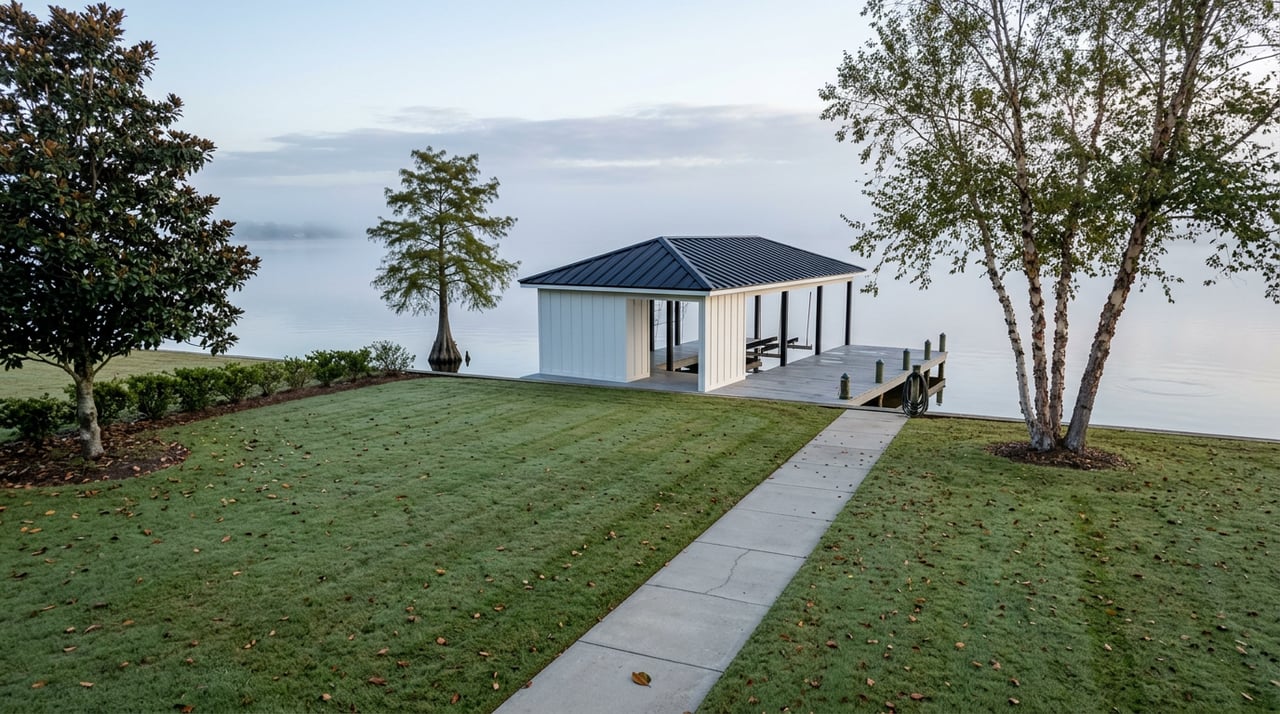
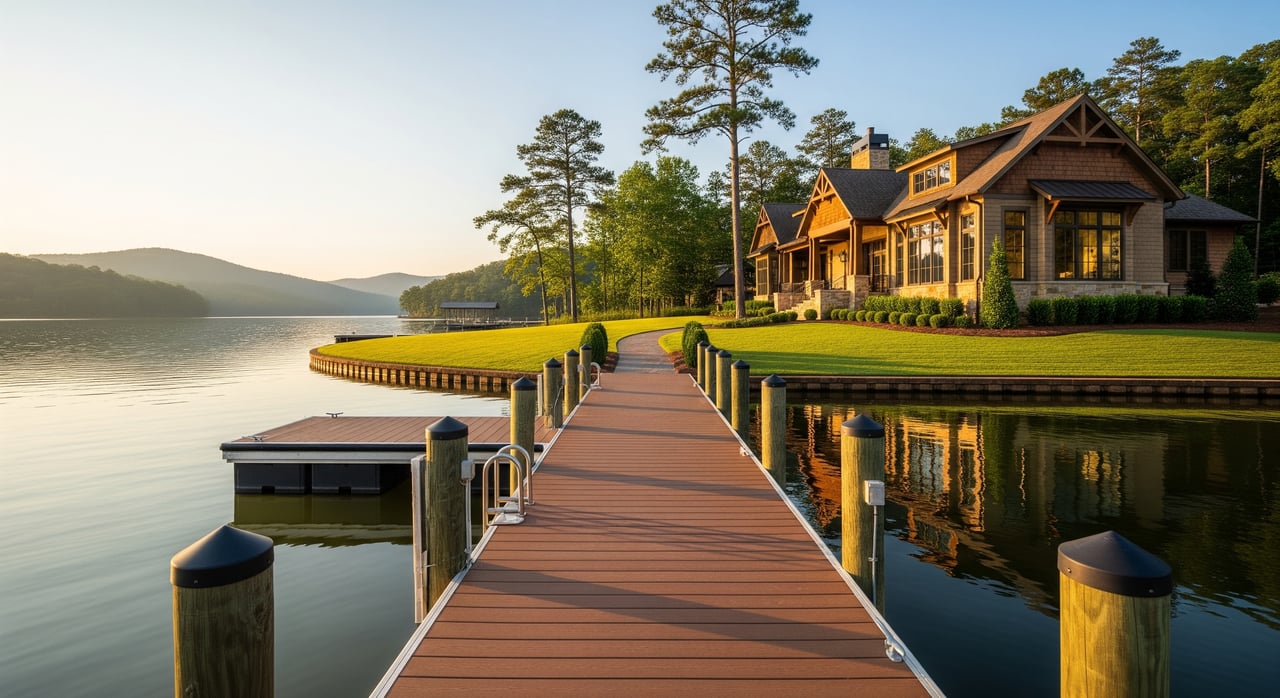
Lake-focused HOAs around Guntersville oversee more than landscaping and gates. They often manage docks, slips, marinas, boat ramps, common shoreline, and erosion control. These amenities can raise dues and long-term capital needs, especially when docks, seawalls, or roads require replacement.
Reserve funding matters more here. Water structures age and can be costly to repair. Communities with limited reserves may rely on special assessments, which can impact your budget.
Who sets the rules around the lake
Several authorities shape life on Lake Guntersville. Your HOA governs community rules, but it often coordinates with outside agencies.
- TVA: The Tennessee Valley Authority administers shoreline management on Guntersville Lake. HOA dock rules frequently align with TVA permits and policies.
- FEMA: Many shoreline parcels fall within FEMA flood zones, which can affect building rules and insurance needs.
- County and state: Marshall County and Alabama agencies may require permits for building, septic systems, or shoreline work. Some projects may trigger federal review in limited cases.
Your HOA’s rules should work within these frameworks. Before you buy, confirm that any existing or planned docks meet agency requirements.
Amenities, dues, and your budget
Lake communities vary widely. Your dues depend on what the HOA maintains and the scale of amenities.
- Typical amenities: private or shared docks, marinas, boat ramps and parking, community shoreline, roads and gates, clubhouses, pools, and security.
- Financial impact: marinas, docks, dredging, and seawalls increase operating costs and future capital needs.
- Reserve planning: ask whether a reserve study exists, the reserve balance, and the plan for major replacements.
A well-funded reserve can reduce the risk of sudden special assessments for dock or shoreline repairs.
The must-review HOA documents
Request these items in writing from the HOA or its manager. Many provide a resale packet or estoppel letter for a fee. You can also check county land records for recorded documents.
- Recorded CC&Rs: covenants, use rules, amendment thresholds, and enforcement powers.
- Bylaws and Articles: governance structure, elections, and meeting rules.
- Rules and Architectural Guidelines: day-to-day restrictions and the approval process for docks, exteriors, fencing, landscaping, and boat storage.
- Current budget plus 2–3 years of budgets and actuals: reveals trends, whether dues cover costs, and if expenses are rising.
- Reserve study and reserve balance: schedules for docks, roads, clubhouses, and other capital items.
- Financial statements: audited, reviewed, or compiled financials help confirm accuracy.
- Meeting minutes (12–24 months): shows upcoming projects, disputes, or talk of assessments.
- Insurance policies: what the master policy covers versus what you must insure.
- Estoppel or resale certificate: balance due, transfer and capital contribution fees, and any planned assessments.
- Litigation disclosures: lawsuits or judgments against the HOA.
- Vendor contracts: marina operations, landscaping, and road maintenance costs.
- Plats, easements, and deed language: who owns common areas and shoreline access.
- Dock or slip agreements and permits: proof of TVA or agency permits for docks and boathouses.
- Developer transition documents: governance handoff, unfinished infrastructure, and developer rights.
- Rental policies: rules for short-term and long-term rentals if that matters to you.
Review these documents with care. They tell you how the community runs, where the money goes, and what you can and cannot do.
Dock and shoreline rules 101
Every lake neighborhood handles water access a bit differently. Focus on these common topics.
- Dock and boathouse standards: size, materials, covered vs. uncovered, number of slips, and lift rules. Many refer to TVA limits.
- Ownership and use: some slips are deeded to a lot, while others are assigned or leased by the HOA. Deeded slips usually transfer with the property.
- Shoreline changes: seawalls, bulkheads, and vegetation removal often need permits and HOA approval.
- Setbacks and coverage: limits on how close you can build to the water and the percent of impervious area allowed.
- Storage and parking: rules for boat trailers, RVs, and guest parking, plus enforcement details.
- Maintenance duties: clarify whether owners or the HOA handle dock, bulkhead, or dredging work.
Before closing, confirm the slip or dock status, transfer rules, and any permits on file.
Smart questions to ask before you buy
Use this list with the HOA, seller, or listing agent.
- Dues and increases: What are current dues, what do they cover, and how often have they changed in the past five years?
- Reserves and assessments: Is there a reserve study and what is the balance? Any recent or planned special assessments?
- Slips and docks: Is there a deeded slip with the lot, or how are slips assigned? Are there size or boat-type restrictions? Any dredging history or schedule?
- Permits: Do existing docks and boathouses have TVA or other permits on file?
- ARC process: What requires approval, what are the fees, and how long does it take?
- Rentals: Are short-term rentals allowed, and are there occupancy limits?
- Insurance: What does the master policy cover, and what must owners insure?
- Roads and services: Are roads private or public, and who pays for upkeep? How are trash and recycling handled?
- Legal and collections: Any pending litigation or judgments? What is the delinquency rate among owners?
- Closing logistics: What are the transfer or capital contribution fees, and how quickly can you get an estoppel letter?
Red flags and how to protect your investment
Be cautious if you see any of the following. Follow up with targeted questions and document requests.
- Low reserves and a history of frequent special assessments.
- High owner delinquency rates and weak collection policies.
- Ongoing litigation or recorded liens against the HOA.
- Unclear documents about dock ownership or shoreline easements.
- Rules that conflict with TVA or county permitting.
- Deferred maintenance on docks, seawalls, roads, or marina facilities.
- Master insurance with large deductibles or limited water-related coverage.
- Restrictions that do not fit your plans, such as tight rental rules or strict boat sizes.
A practical approach works best: read the recorded documents, pull financials, review minutes, verify dock permits, check FEMA flood maps, and inspect shoreline structures. Visit on different days and times to see actual activity levels on the water and in common areas.
Construction, septic, and site planning near the shore
If you plan to build or renovate, align your timeline with approvals.
- ARC standards: submit site plans, elevations, materials, and any dock or bulkhead work for review.
- Permit coordination: many shoreline projects require TVA and county approvals. The ARC may ask for proof of permits before granting approvals.
- Septic considerations: near-shore systems may have specific rules under the county health department. Confirm capacity and approvals early.
Aligning HOA approvals with permit requirements can save time and prevent redesigns.
How Ainsworth Homes supports your lake goals
You want the lake lifestyle with fewer headaches. As a local, vertically integrated developer, builder, and affiliated brokerage, Ainsworth offers a coordinated path from lot selection to move-in. That means clear timelines, guided design decisions, and a focus on quality construction suited to Lake Guntersville living.
- Lot and community guidance: identify neighborhoods that match your goals for docks, ramps, and amenities.
- Design-led planning: our on-site studio helps you choose finishes and plan spaces for lake life, storage, and guest use.
- Coordinated build process: streamlined approvals and white-glove project management keep your build moving.
When you are ready to take the next step, we will help you align your wish list with the right property and a sensible path to the water.
Your next steps
- Request the full HOA resale packet and recorded documents.
- Confirm the slip or dock status and any permits on file.
- Review budgets, reserve study, minutes, and insurance certificates.
- Walk the property and shoreline, and visit at different times of day.
- Map out your build or renovation timeline around ARC and permits.
If you want a turnkey path to the lake life, connect with our team at Ainsworth Homes LLC to Schedule Your Design Consultation.
FAQs
What is TVA and why does it affect docks on Lake Guntersville?
- TVA manages shoreline use on Guntersville Lake, so many docks and boathouses require TVA permits in addition to HOA approval.
How do HOA dues work in Guntersville lake communities?
- Dues reflect the amenities and maintenance needs, and can be higher where marinas, docks, dredging, roads, and shoreline structures require long-term funding.
What documents should I review before buying in a Guntersville HOA?
- Prioritize CC&Rs, bylaws, rules, budgets, reserve study and balance, financial statements, minutes, insurance policies, estoppel, litigation disclosures, plats, easements, and dock permits.
What is the difference between a deeded slip and an assigned slip?
- A deeded slip typically transfers with the lot, while an assigned or leased slip is controlled by the HOA and may not automatically transfer upon sale.
Are short-term rentals allowed in Lake Guntersville HOAs?
- Policies vary by community, so check the HOA’s rental rules, occupancy limits, and any registration or approval procedures.
Do I need flood insurance near Lake Guntersville?
- Many near-shore parcels are in FEMA flood zones, so confirm your property’s flood status and insurance needs before closing.
Who maintains docks and seawalls in lake communities?
- It varies by HOA; maintenance may be the responsibility of individual owners, the association, or a marina operator, so verify what applies to your home.