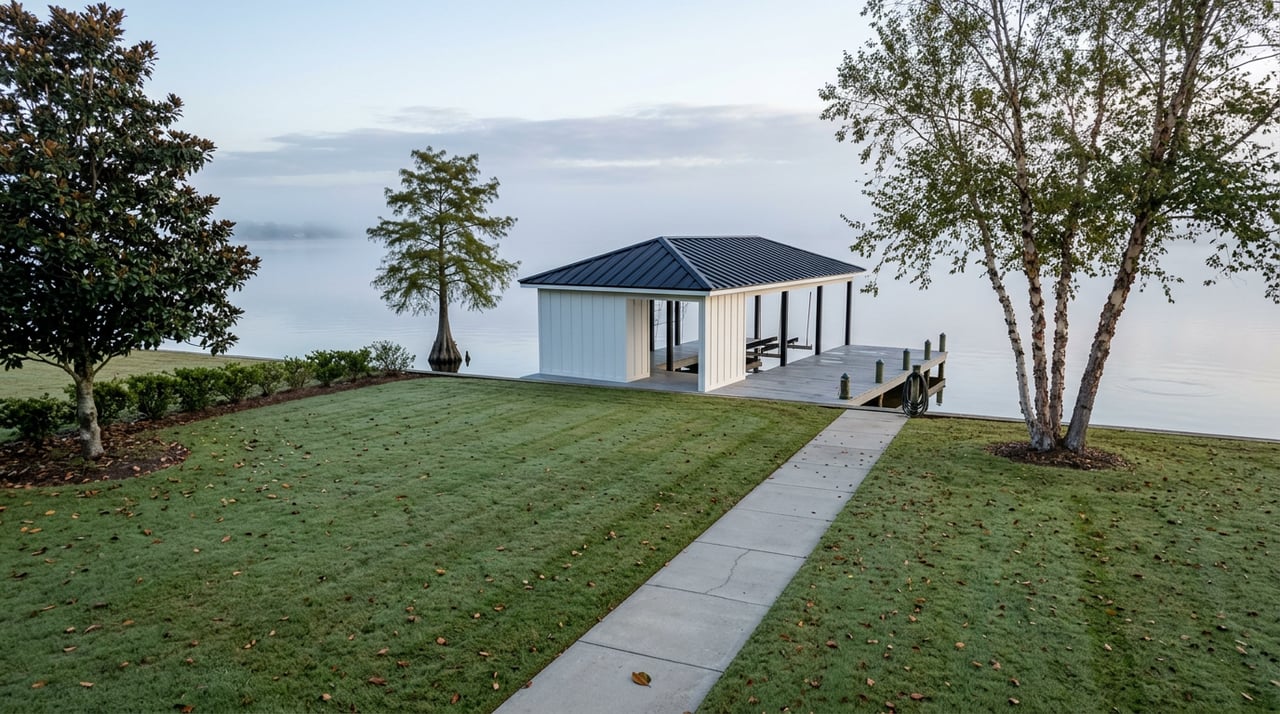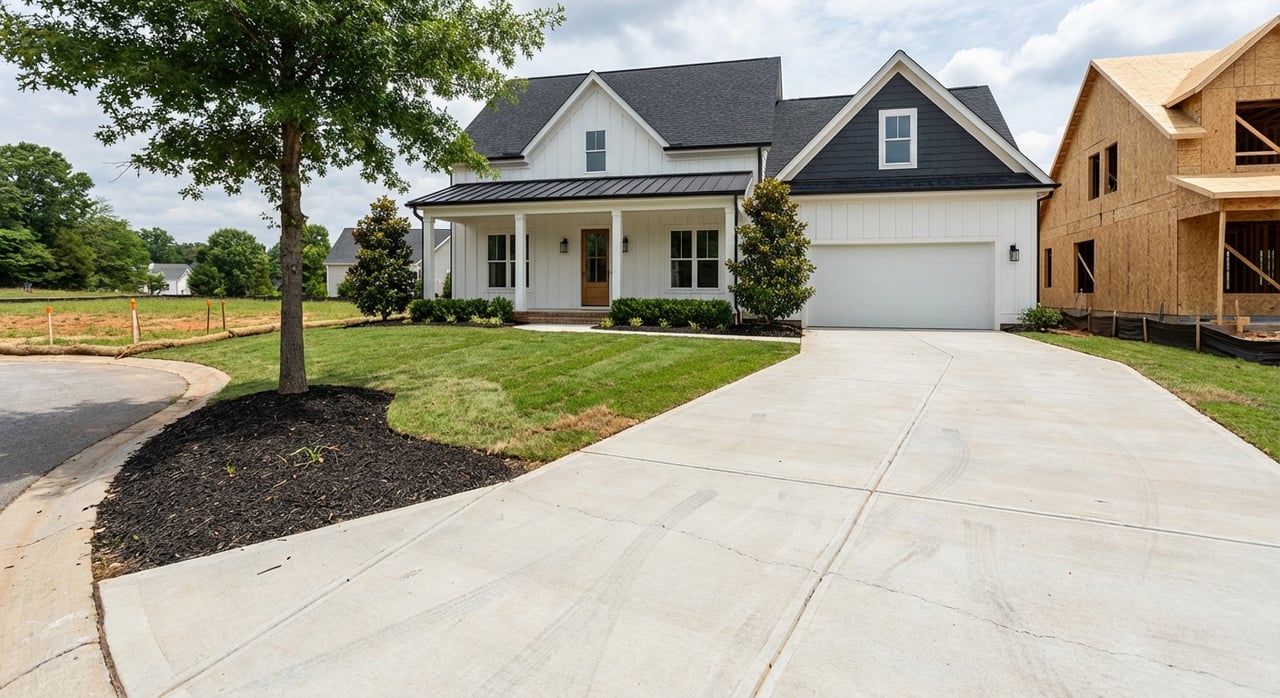
If lake-view living in Guntersville is on your mind, Browns Valley Cove should be on your shortlist. It is a newer, inside-the-city-limits community where you can pair a fresh, one-level brick home with quick access to Lake Guntersville. Still, comparing listings, upgrades, and lots can feel confusing. This guide gives you the key facts, the right questions to ask, and a simple checklist so you can buy with confidence. Let’s dive in.
Browns Valley Cove at a glance
Browns Valley Cove is marketed by Ainsworth Homes as a lake-view subdivision with one-level brick plans, covered outdoor spaces, and convenient access to lake recreation and walking areas. You can review community details and sample floor plans on the builder’s page for Browns Valley Cove.
Recent public listing history shows a mix of finished spec homes and lots along Tumbleweed Drive. In 2024 and 2025, representative quick-move homes closed in the low to mid $400,000s, and vacant lots in the active phase were marketed around $120,000 to $125,000. For a starting point on comps and status history, look at a recent example on ValleyMLS and then have your agent pull live MLS data.
Listings suggest HOA fees are modest for the area. Always confirm the current HOA amount, covered services, and any special assessments in the recorded documents and the seller-provided disclosure.
How to read a new-construction listing here
Confirm build stage and timing
Look for status language like “to be built,” “under construction,” “spec” or “move-in ready.” Build stage impacts your move timeline and financing. Days on market and status changes can hint at negotiation room. Your agent can pull a status history from the MLS to confirm momentum and builder timing.
Price, allowances, and upgrades
Never assume the model home equals the base price. Ask for the builder’s spec sheet that shows exactly what is included at base and what costs extra. Get written, itemized prices for appliances, flooring level, countertops, under-cabinet lighting, blinds, screened porch, and any bonus room options. The clearer the spec sheet, the easier it is to compare two homes side by side.
Square footage clarity
Confirm what is counted in the advertised square footage. If garages, porches, or unfinished spaces are handled differently between listings, price-per-square-foot comparisons can mislead you. Ask for a floor plan with dimensions and a written definition of heated and cooled space.
Utilities, landscaping, and site items
Verify water and sewer type in writing. Many listings in this area show public water and sewer, but confirm in the contract and with county mapping. Also clarify whether the yard, irrigation, driveway finish, and mailbox are included or priced as extras.
Warranty and what it covers
Most reputable builders include a 1-year builder warranty, and many use a third-party “1-2-10” style program that pairs workmanship, systems, and structural coverage on set timelines. Ask for the actual warranty documents so you know how to submit claims and what is excluded.
Independent inspections at key stages
Even on a brand-new home, schedule independent inspections. A pre-drywall inspection lets you see framing, plumbing, and electrical before walls are closed, and a final inspection documents punch-list items. Plan for an 11-month inspection to catch issues before the warranty ends. For typical costs and what to expect, see this overview of pre-drywall inspection pricing.
Bring your own buyer’s agent
The on-site sales rep works for the builder. You should have a buyer’s agent who understands new construction to review the contract, register you with the builder on your first visit, and negotiate upgrades or incentives. For a primer on why representation matters, review this summary on working with an agent when buying new construction.
Lot choice and resale factors that matter
Lake view, lake-access, or interior
Lots with broad views or water access draw different buyer pools and pricing than interior lots. If having a slip or dock is important, confirm shoreline rights and Section 26a permit eligibility with TVA. For a quick refresher on the difference between lakefront and lake-access living in Guntersville, read this lakefront vs. lake-access guide. Then verify your specific parcel’s shoreline rules using TVA’s resources noted below.
Topography, buildable area, and setbacks
A quarter-acre lot can feel large or tight depending on slope and easements. Ask for a grading plan and any survey on file. Use the Marshall County GIS parcel viewer to see parcel boundaries and nearby features on the county GIS map. Look for drainage swales, utility easements, and how setbacks shape your usable backyard.
Orientation, privacy, and phase timing
Consider which way the backyard faces, whether future homes could block a view, and proximity to any shared amenities. Ask the builder which lots remain to be built and how future phases are sequenced. A clear phase plan helps you set expectations for near-term construction activity and resale timing.
HOA rules influence long-term value
CC&Rs, architectural guidelines, fence rules, roof materials, and porch standards all shape curb appeal and resale. Request the CC&Rs, current bylaws, recent HOA meeting notes, and the budget or reserve details. If you need recorded documents or assessment guidance, start with the Marshall County Revenue office resources.
Appraisal and comps
New neighborhoods can have limited comparable sales, which sometimes challenges appraisals. Use the most recent Browns Valley Cove closings and nearby non-water or water-view comps to set expectations. Your agent can pull closed sales from ValleyMLS and adjust for view, size, upgrades, and lot position.
Crafting a smart offer
Negotiate upgrades and credits
Builders may be more flexible on design-center credits than on base price. If you prefer a price reduction, ask your agent to compare the math against a package of upgrades you would buy anyway. Make sure any promised upgrades are itemized and attached to the contract.
Lot premiums, buydowns, and timing incentives
Premiums often apply to corner, cul-de-sac, and lake-view lots. Ask whether the lot premium is negotiable or can be waived for an earlier close. Many builders also offer rate buydowns or closing-cost credits when you use a preferred lender. This guide to builder incentives and buydowns explains common structures so you can evaluate the true monthly payment impact.
Protective contract language
Ask to attach the full spec sheet and inclusion list to your purchase agreement. Define inspection windows for pre-drywall and final walkthroughs, and outline a punch-list process. If you are financing, consider an appraisal contingency or a pre-agreed remedy if the appraisal comes in short.
Deposits and earnest money
New-build contracts often require a significant deposit. Read the default and refund clauses line by line so you know when funds become nonrefundable and how contingencies work. If you have questions, lean on your buyer’s agent or a local closing attorney for a quick review.
Lake-specific due diligence
If lake access or shoreline improvements are part of your plan, confirm eligibility early. TVA regulates many shoreline activities and requires Section 26a approval. Check permit rules, transfer requirements, and zoning on the TVA shoreline construction FAQ. For any questions about recorded easements or previous permits tied to a parcel, pair TVA’s guidance with a county records search through the Marshall County Revenue office.
Your quick comparison checklist
Use these steps when you shortlist a Browns Valley Cove home or lot:
- Confirm listing type and stage: to-be-built, under construction, spec, or move-in ready. Check days on market and status history via ValleyMLS.
- Request the builder spec sheet with base inclusions and an itemized upgrade price list. Review sample plans on the Browns Valley Cove page.
- Clarify square footage inputs and whether garage or porch areas are excluded from heated and cooled totals.
- Ask for CC&Rs, HOA bylaws, recent minutes, and the budget or reserve study. Use the Marshall County resources for recorded documents.
- If water access matters, verify shoreline rights and Section 26a eligibility with the TVA shoreline FAQ.
- Schedule independent inspections: pre-drywall, final, and an 11-month warranty check. See typical costs in this pre-drywall inspection guide.
- Bring a buyer’s agent experienced with new construction. Here is a refresher on why representation helps.
- Compare lender options and incentives, including rate buydowns and closing credits, using this builder incentives overview.
Ready to evaluate a specific spec home or lot? Explore current plans and community context for Browns Valley Cove, then line up your questions and documents so you can negotiate from a position of strength.
If you want a clear path from lot to closing with guidance on design selections, timelines, and inspections, connect with the local team that plans and builds in this community. Schedule your consultation with Ainsworth Homes LLC.
FAQs
What do new homes in Browns Valley Cove typically cost?
- Recent public sales of representative spec homes have closed in the low to mid $400,000s, while lots in the active phase have been marketed around $120,000 to $125,000. Always verify current pricing with live MLS data.
Are there HOA fees in Browns Valley Cove and what do they cover?
- Listings indicate modest annual fees. Request the CC&Rs, bylaws, and current budget to confirm the exact amount, what is included, and whether any special assessments are planned.
Can I add a private dock near Browns Valley Cove?
- Dock eligibility depends on shoreline rights and TVA Section 26a permits. Confirm whether your parcel is in a zone that allows docks and what the transfer process requires before you buy.
Which inspections should I order for a new build in Guntersville?
- Order a pre-drywall inspection, a final inspection before closing, and an 11-month inspection during the warranty period. This sequence documents workmanship and gives the builder a clear punch list.
Do I need my own agent when buying from a builder?
- Yes. The on-site rep represents the builder. A buyer’s agent helps you compare specs, negotiate incentives, and protect your interests in the contract and inspection process.