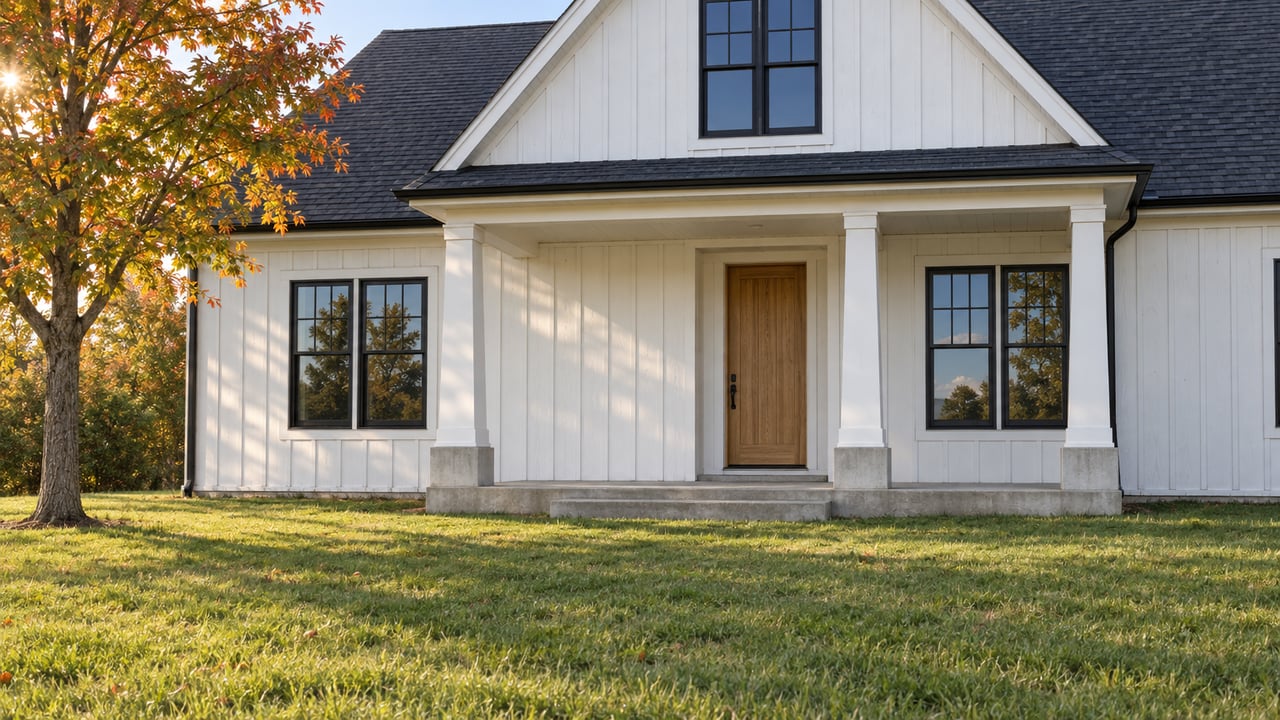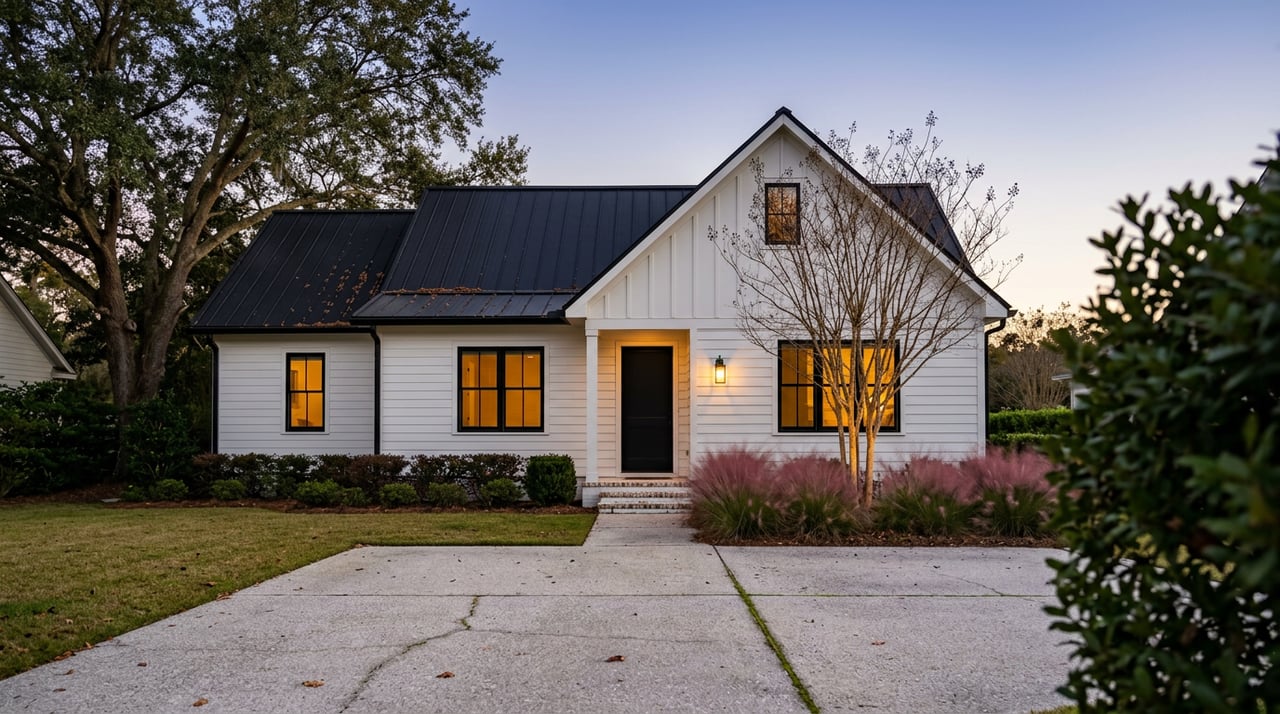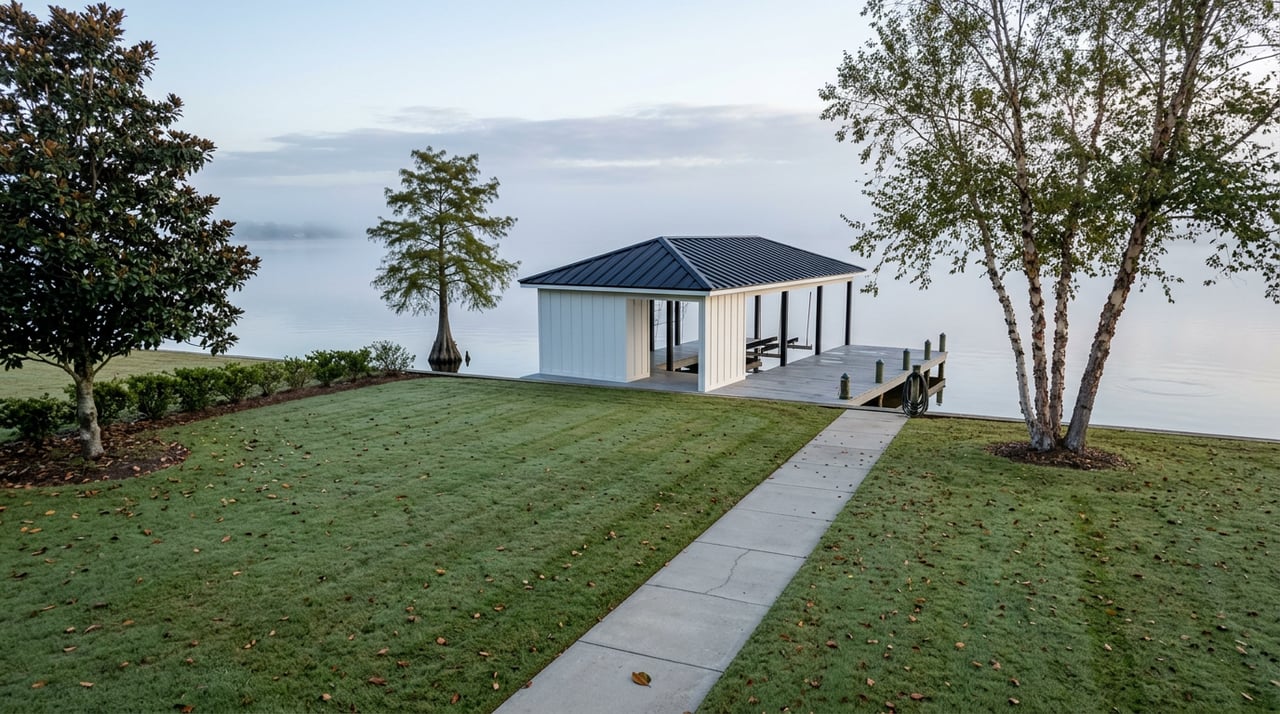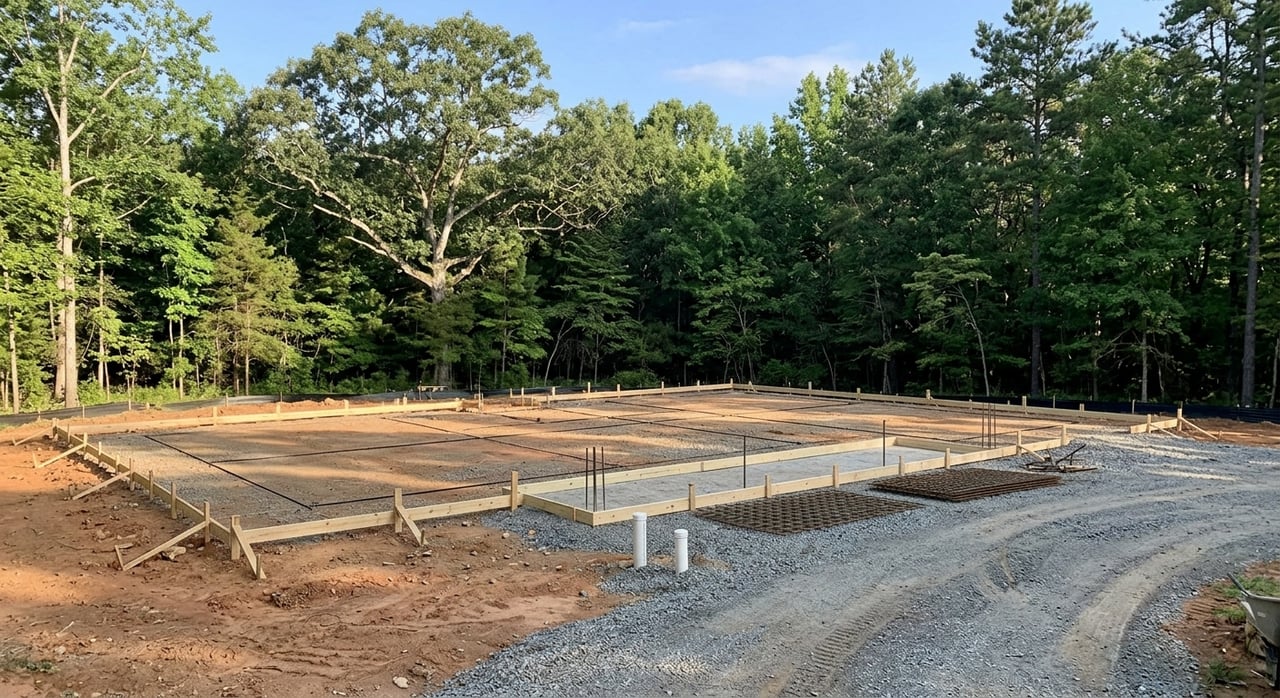
If you are thinking about building on a Hickory Hills estate lot, your floorplan is only part of the decision. A 5.71-acre homesite inside Guntersville city limits offers space, privacy, and easy access to the Lake Guntersville lifestyle, but it also calls for smart planning before you choose the final design. When you understand the lot, the rules, and the build process early, you can make better choices with fewer surprises. Let’s dive in.
Why Hickory Hills Planning Matters
A Hickory Hills estate lot is not just another homesite in a standard subdivision. This parcel is marketed as 5.71 acres, sits inside Guntersville city limits, and is less than 3 miles from a boat ramp, which makes it part of a lake-focused lifestyle in a city surrounded by about 69,000 acres of water.
That kind of setting can shape almost every early decision. Your house placement, driveway layout, outdoor living areas, and utility planning all need to work with the land instead of against it.
Start With Lot Due Diligence
Before you settle on a floorplan, start with the basic documents and site facts. A current boundary and topographic survey, the recorded plat, and any covenants or HOA documents can help you understand what the lot can actually support.
That step matters because “estate lot” is a marketing description, not a technical building standard. You should verify acreage, setbacks, and the usable building envelope before moving too far into home design.
Survey Requirements Come First
The City of Guntersville’s permit checklist requires a stamped survey from a licensed surveyor. That survey needs to show the proposed house, streets, setbacks, and the grade percentage if the lot is sloped.
In simple terms, the survey helps answer some of the biggest early questions. Can the home fit where you want it? Is there enough room for the driveway and parking? Will the slope affect cost or layout?
Check Zoning and Site Limits Early
Because the lot is inside city limits, the City of Guntersville Building Department is the local contact for permits, inspections, zoning, subdivision regulations, and contractor licensing. The city also provides a zoning map and GIS tools for parcel verification.
Before you lock in a footprint, verify zoning, overlays, and any flood-related constraints. The city’s ordinance also identifies areas such as floodplain, wetlands, slopes above 25%, and scenic viewsheds as conservation-sensitive in relevant subdivision contexts.
Understand Slope Before Choosing a Plan
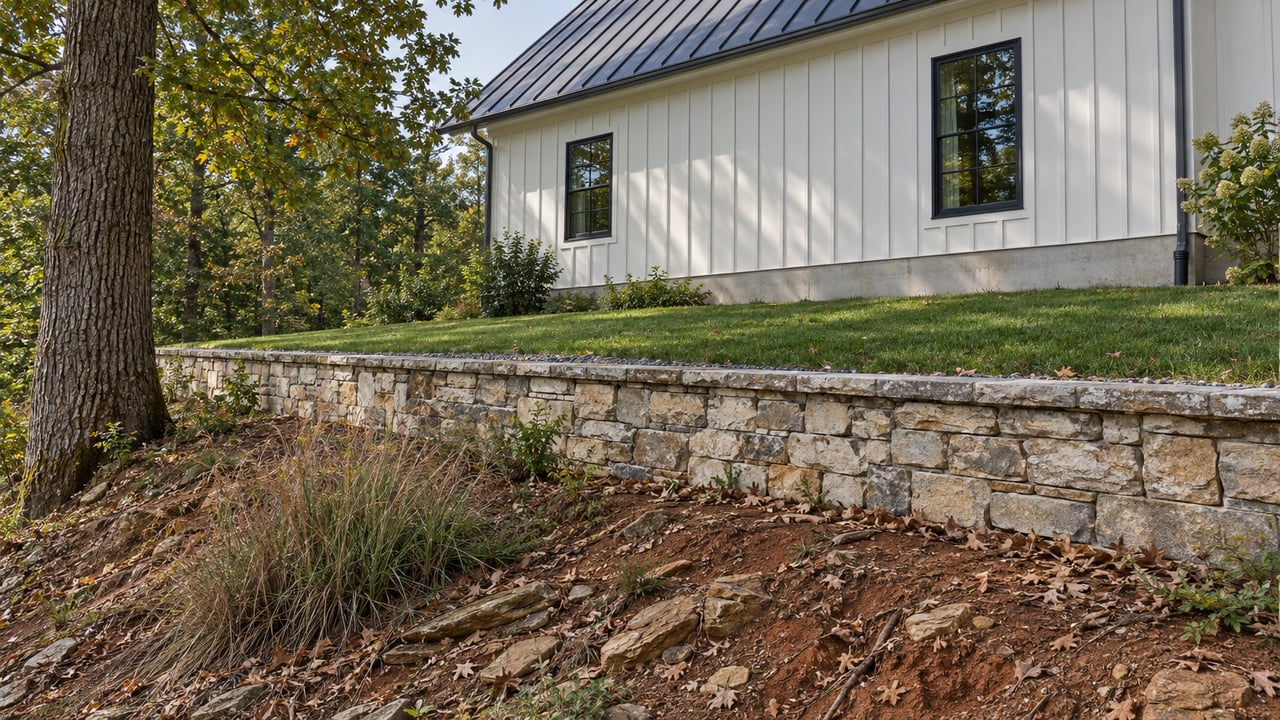
A beautiful lot can still be a challenging lot. If the site is steep, your home design may need more engineering, more grading work, and more attention to stormwater.
The City of Guntersville says lots with an 18% or greater grade require engineered drawings. Its zoning ordinance also says steep-slope development needs a site plan from an Alabama-licensed engineer that addresses erosion, landslides, and stormwater drainage.
What Steep Terrain Can Change
Slope can affect more than the foundation. It may change where your driveway works best, how your garage enters the home, how outdoor spaces step down from the house, and how setbacks are measured on parts of the site.
Guntersville’s zoning ordinance says building and parking layouts should take advantage of natural features and topography. That is why the floorplan, outdoor living areas, and driveway should be designed together, not one at a time.
Plan Utilities and Septic Early
One of the easiest ways to lose time in a custom build is waiting too long to confirm utilities. Guntersville lists separate local providers for electric, water and sewer, and gas service, so you should check service availability and meter locations early in the planning process.
That early utility review can affect home placement and budget. Even on a large lot, the best-looking house location is not always the most practical one if connections become more complex or expensive.
If Sewer Is Not Available
If the lot is not connected to public sewer, Alabama law requires a permit from the local health department before installing or repairing an onsite sewage system. In Marshall County, septic questions go through the Health Department’s Environmental Office.
The Alabama Department of Public Health recommends an early site evaluation by a surveyor, soil classifier, or engineer. After that, the process moves into a permit-to-install application, followed by licensed installation and inspection.
Driveway Access Is a Real Design Issue
On a larger homesite, it is easy to assume the driveway can go wherever it looks best. In reality, access has to fit both site conditions and local rules.
ALDOT requires permits for private-property access to state highways. Guntersville’s zoning ordinance also requires vehicular access to follow accepted access-management practices, and it says curb cuts for individual residential lots are prohibited along arterial streets.
Why Access Should Be Planned With the House
Your driveway affects daily convenience, site grading, drainage, and curb appeal. It can also influence where the garage sits, how guests arrive, and how much usable yard or outdoor living space remains around the home.
That is why driveway placement should be considered alongside the survey, slope review, and floorplan selection. A smart access plan can make the whole property feel more natural and easier to use.
Fit the Floorplan to the Land
The best custom homes usually start with the lot, not just the wish list. On a Hickory Hills estate lot, that means choosing a home design that fits the terrain, preserves usable outdoor space, and takes advantage of the setting.
You may want broad porches, a covered outdoor room, a side-entry or courtyard garage, or a layout that creates privacy without losing openness. Those choices tend to work best when they are tied to the site plan from the beginning.
Think Beyond the House Footprint
A custom home is more than square footage. You should also think about where you want morning light, how you want to approach the home from the drive, and how outdoor spaces connect to the main living areas.
When those decisions happen early, the finished result often feels more intentional. It can also help reduce redesigns later in the process.
Use the Design Studio to Simplify Decisions
Once the lot facts are clear, the design phase becomes easier to manage. Ainsworth Homes allows buyers to bring their own blueprints or start with one of the company’s plans, then refine the home with a design specialist in a fully equipped design studio.
That structure can reduce decision fatigue because it brings plan selection and finish choices into one guided process. Rebecca Hinds has participated in 100 new-construction projects, which gives buyers an experienced hand as selections come together.
Why Guided Selections Help
A custom build includes hundreds of small decisions. When your lot conditions, budget, and floorplan are already aligned, the design studio helps you focus on finishes and features that support the home you are actually building.
That can create a smoother experience and a more cohesive final result. It also helps keep your choices grounded in the realities of the site.
Set a Realistic Timeline and Budget
Custom homes move in phases, and it helps to plan that way. Ainsworth’s Hickory Hills guidance suggests roughly 2 to 6 weeks for survey, topographic work, and soil checks, then weeks to months for permitting, followed by about 8 to 18 or more months for construction from groundbreaking.
Those ranges are not a guarantee, but they are useful for setting expectations. Site complexity, utility questions, engineering needs, and permitting can all affect timing.
Budget for Site-Specific Costs
When you build on a large homesite, your budget should include more than the house itself. Site-related costs can include:
- boundary and topographic survey work
- engineering for steep areas
- utility tie-ins
- driveway and grading work
- onsite sewage design or installation if sewer is unavailable
Ainsworth’s Hickory Hills guidance also encourages buyers to use a local lender and closing attorney when discussing construction financing and contract terms. That local coordination can help support a smoother build process.
Why Local Coordination Matters
Planning a custom home on a Hickory Hills estate lot is part design exercise and part land strategy. Because the parcel sits inside Guntersville city limits, local permitting, zoning review, utility coordination, and site analysis all matter before the first shovel hits the ground.
When those moving parts are handled in the right order, you can move forward with more confidence. That is especially valuable on a homesite built around lake lifestyle, acreage, and long-term enjoyment.
If you are ready to explore what could work on a Hickory Hills homesite, Ainsworth Homes LLC can help you think through the lot, the plan, and the next steps with a local, design-led approach.
FAQs
Do I need a survey before building on a Hickory Hills estate lot?
- Yes. The City of Guntersville’s permit checklist requires a stamped survey showing the proposed house, setbacks, streets, and grade percentage if the lot is sloped.
What happens if a Guntersville homesite has a steep slope?
- If the lot has an 18% or greater grade, expect engineered drawings, and steep-slope development may require an Alabama-licensed engineer’s site plan for erosion, landslides, and stormwater drainage.
What should I check before choosing a custom floorplan in Hickory Hills?
- Review the survey, recorded plat, covenants or HOA documents, zoning, overlays, flood-related constraints, utility availability, and driveway access before finalizing the layout.
What if the Hickory Hills lot is not connected to public sewer?
- You should contact the Marshall County Health Department’s Environmental Office early, since Alabama requires a permit before installing or repairing an onsite sewage system.
Can I place a driveway anywhere on a Guntersville estate lot?
- No. Driveway access has to comply with city access standards and, if the access connects to a state highway, ALDOT permit requirements.
How does Ainsworth Homes help with custom home design in Hickory Hills?
- Ainsworth Homes lets you bring your own blueprints or start with one of its plans, then refine the design and finish selections with a design specialist in its on-site design studio.